

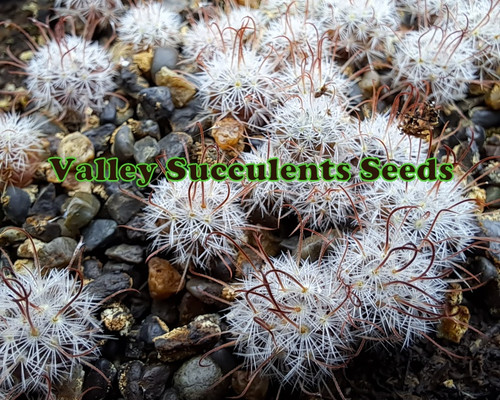
Pack Size: 20, 100, 300
Year: 2026
Accepted Scientific Name: Gymnocalycium ochoterenae Backeb.
Origin and Habitat:
Gymnocalycium ochoterenae is a distinctive cactus species native to central Argentina, particularly the provinces of Córdoba and San Luis. It inhabits dry, rocky hillsides, mountainous grasslands, and open Chaco woodlands at elevations generally ranging from 500–1,500 metres. Plants grow in well-drained, mineral-rich soils, often among rocks, grasses, and low-growing shrubs that provide partial protection from intense sunlight. These environments experience warm summers, cooler winters, and seasonal rainfall followed by extended dry periods. The species is adapted to variable moisture conditions and rocky terrain, developing a compact, flattened growth habit. Its distinctive spination and attractive flowers make it a desirable addition to specialist cactus collections.
Description:
Gymnocalycium ochoterenae is a slow-growing, predominantly solitary cactus characterized by its flattened, globular to hemispherical shape and distinctive olive-green to brownish-green epidermis, occasionally developing grey-green or bronze tones under strong sunlight. Mature plants typically reach approximately 1–2" tall and 2–3.5" in diameter. The body develops 9–16 broad, flattened ribs with slightly raised, rounded tubercles. Each areole generally produces 3–5 stout, curved radial spines, ranging from yellowish-brown to pale grey with darker tips, typically measuring 0.4–0.8" long. Central spines are usually absent or occasionally present. Mature plants produce attractive, funnel-shaped flowers approximately 1.5–2.2" across, displaying creamy white petals with delicate pale pink to rose-coloured throats. Flowers emerge near the crown during late spring and summer, followed by small, barrel-shaped fruits ranging from green to dull reddish tones. Its compact form, distinctive curved spines, and delicate flowers make it an appealing addition to cactus collections.
Cultivation:
Zone: 9–11; protect from prolonged frost and excessive winter moisture.
Temperature: Optimal growth at 18–28 °C. Maintain winter temperatures above 5 °C for reliable cultivation.
Growth Rate: Slow, gradually developing a compact, flattened, globular body with prominent ribs and curved spines.
Soil: A highly mineral, fast-draining cactus mixture containing pumice, fine gravel, and a small proportion of organic matter. Excellent drainage is essential for healthy root development.
Watering: Water thoroughly during active growth, allowing the growing medium to dry between waterings. Reduce watering significantly during autumn and keep mostly dry during winter dormancy.
Fertilizing: Apply a diluted, low-nitrogen cactus fertilizer every 2–3 weeks during active growth. Discontinue feeding during winter.
Light: Bright light to partial sun. Gentle morning sunlight encourages compact growth, healthy spination, and flowering. Protect from intense afternoon sunlight during extreme heat, particularly for young plants.
Pests and Diseases: Susceptible to mealybugs, root mealybugs, spider mites, scale insects, and root rot associated with excessive moisture or poorly draining growing media.
Germination Info:
Temperature: 27 °C.
Surface Sown: Yes. Sow seeds on the surface of a fine, sterilized cactus growing medium and press lightly into place without burying deeply.
Germination Time: Approximately 7–28 days under favourable conditions, although some seeds may require longer.
Moisture: Maintain consistent surface moisture and high humidity during germination, avoiding waterlogged conditions.
Light: Bright, indirect light. Avoid direct sunlight on covered seed trays.
After Germination: Gradually increase ventilation as seedlings establish. Maintain moderate moisture until young plants develop stronger root systems and begin producing characteristic ribs and spines.


